On 11 December 2025, the colloquium commenced with opening remarks by Prof. Sevtap Kadıoğlu, Dean of the Faculty of Letters at Istanbul University; Prof. Alev Bulut, Head of the Department of Translation and Interpreting; and members of the Colloquium Monitoring and Development Committee, Asst. Prof. Fatih İkiz and Asst. Prof. Büşra Yaman. Prof. Sevtap Kadıoğlu noted Elif Daldeniz Baysan’s longstanding ties with the faculty and the academic legacy she represents, emphasizing that this platform makes research processes more transparent and transforms individual effort into a polyphonic mode of academic production. Subsequently, Prof. Alev Bulut emphasized the vital role of such gatherings in maintaining the currency of graduate research in Translation Studies and keeping pace with emerging trends in the literature. Stressing the importance of dynamic platforms that keep researchers informed about new developments in the field, Prof. Bulut emphasized the need to support such initiatives at every stage to sustain academic productivity.
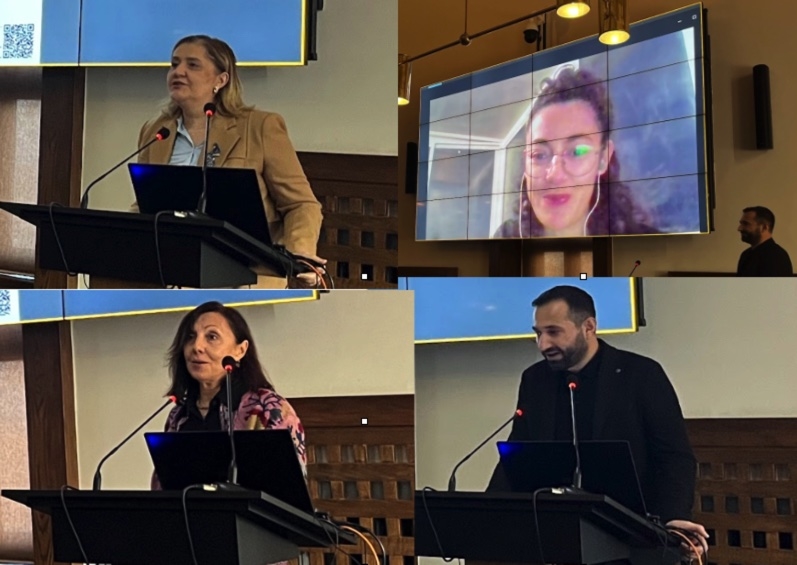
Asst. Prof. Fatih İkiz and Asst. Prof. Büşra Yaman and members of the Colloquium Monitoring and Development Committee noted that this year’s format was designed around a model that prioritizes participation and interaction. They observed that the sense of isolation inherent in graduate research can only be overcome through an “academic community” consciousness that encourages questioning and the sharing of methodological challenges. The committee members emphasized that the colloquium is not merely a venue for presenting completed work, but a space of solidarity in which researchers’ voices are heard in increasingly participatory and pluralistic ways each year. The opening speeches underscored the importance of sharing graduate research in Translation Studies with a broader audience through the colloquium and of opening discussions on the various challenges encountered during the thesis process. It was further emphasized that discussion and exchange platforms, such as this colloquium, foster communication and solidarity among researchers.
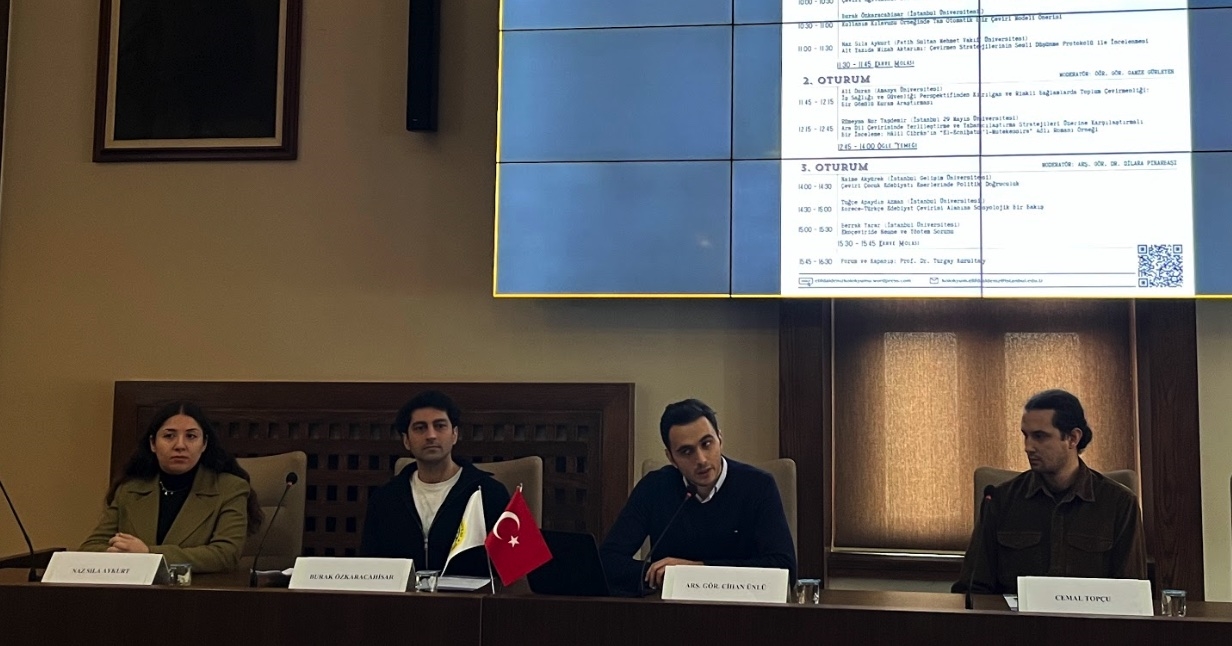
The first session of the colloquium, moderated by Res. Asst. Cihan Ünlü addressed post-editing, technological applications, and the translation of humor. In his paper titled “The Place and Importance of Post-Editing in Translation Education: A Target-Language-Oriented Course Proposal,” Cemal Topçu questioned terminology training and the distance between educational sciences and Translation Studies in proposing an undergraduate-level course on post-editing. Burak Özkaracahisar, in his presentation “A Proposal for a Fully Automated Translation Model in the Case of User Manuals,” discussed the possibilities of developing an automated model for the translation of user manuals as an informative text type. The session concluded with Naz Sıla Aykurt’s presentation, “Transferring Humor in Subtitling: An Analysis of Translator Strategies through Think-Aloud Protocols.”
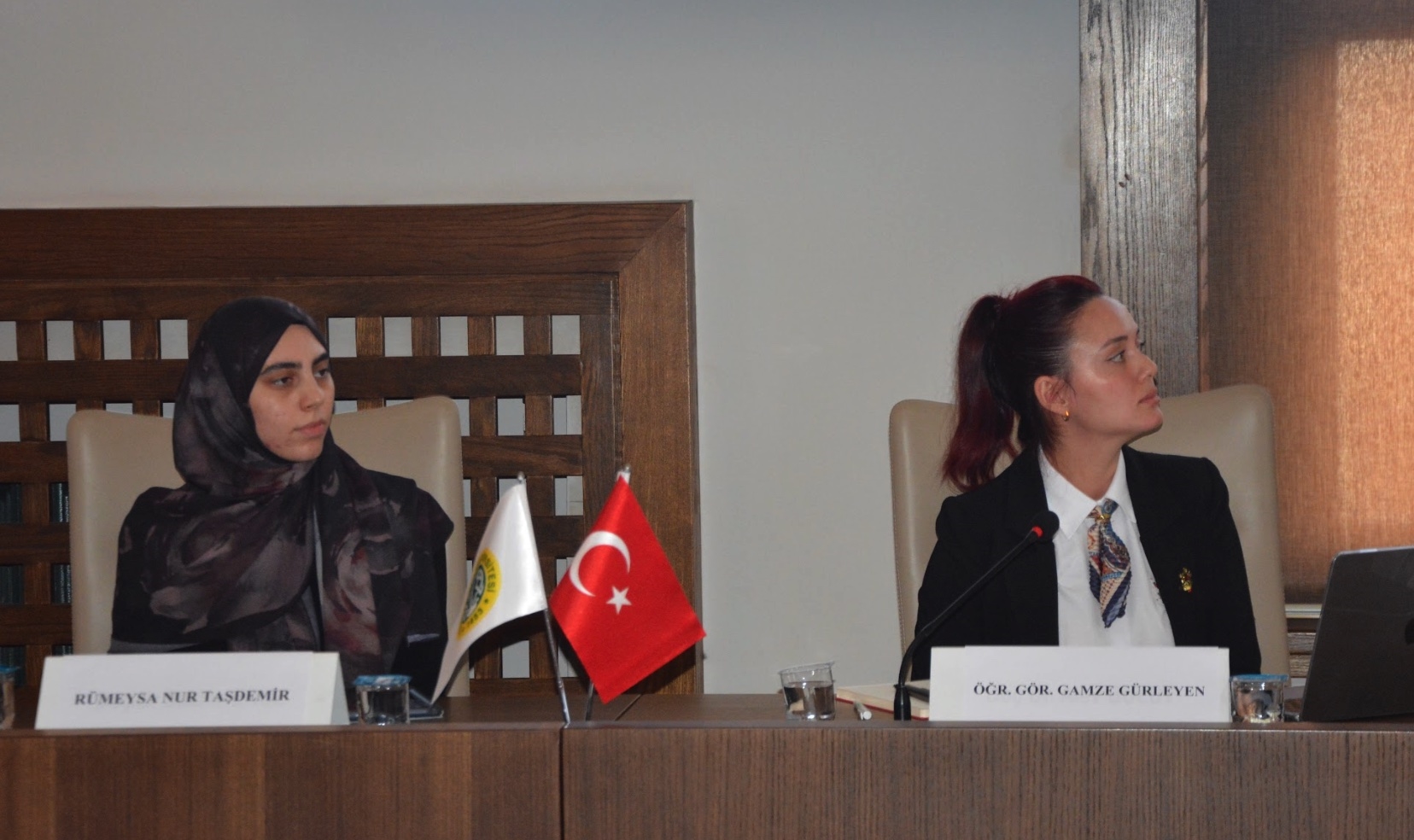
The second session, moderated by Lecturer Gamze Gürleyen, focused on professionalization in translation and literary translation. In his paper titled “Community Interpreting in Fragile and Risk-Prone Contexts from the Perspective of Occupational Health and Safety: A Grounded Theory Study,” Ali Duran drew attention to the physical, psychological, ethical, and organizational threats faced by community interpreters, questioning the improvement of occupational health and safety measures at the organizational level and the potential for necessary conceptual expansions related to this issue within community interpreting. Rümeysa Nur Taşdemir, in her presentation “A Comparative Analysis of Domestication and Foreignization Strategies in Relay Translation: The Case of Halil Gibran’s *The Broken Wings*,” compared translation strategies employed in relay translations into Turkish and in direct translations, based on an Arabic source text.
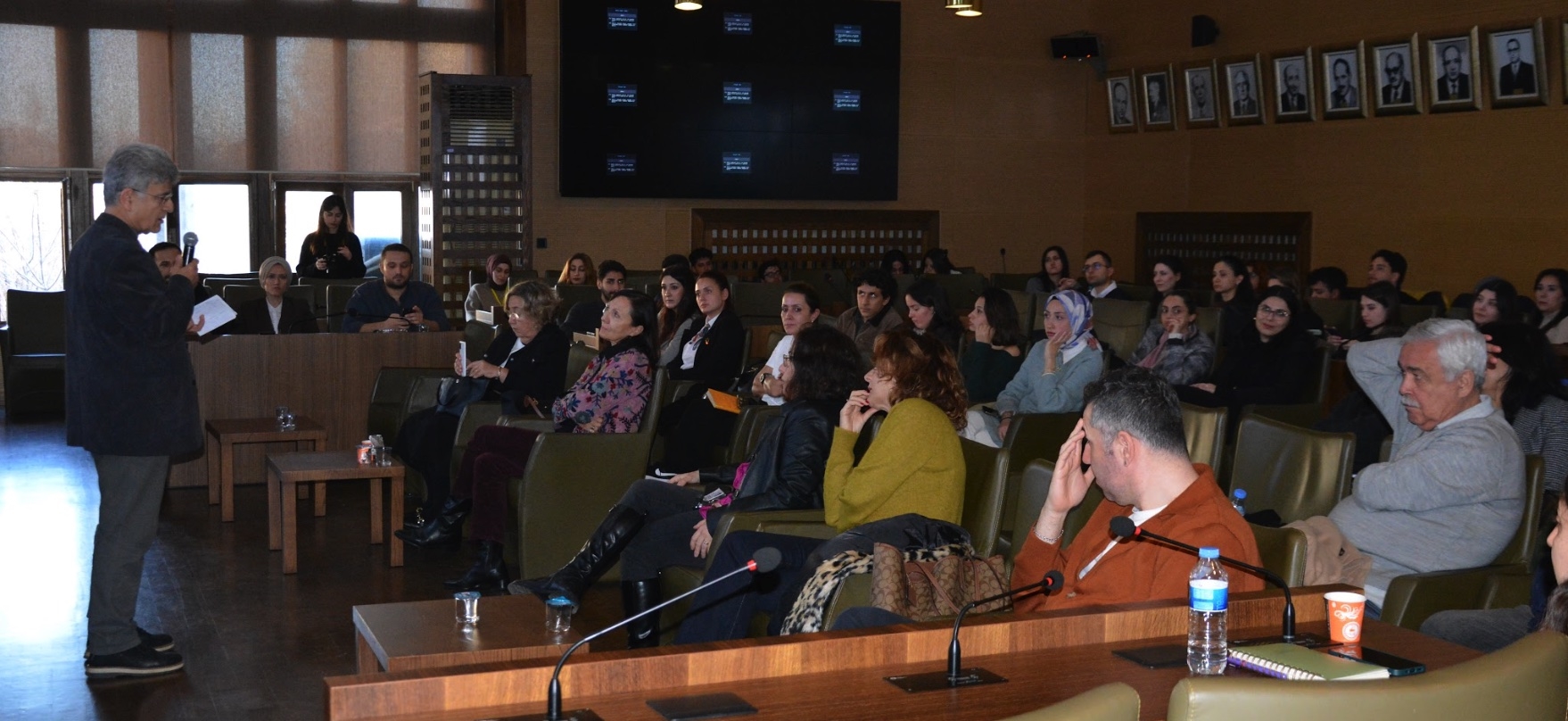
The final session, moderated by Res. Asst. Dr. Dilara Pınarbaşı addressed studies on the translation of children’s literature and the sociology of translation. In her paper “Political Correctness in Translated Children’s Literature,” Naime Akyürek opened up for discussion the concept of political correctness through various Turkish translations of *The Adventures of Huckleberry Finn* that were revised within a framework of political correctness, as well as through preliminary interviews conducted with agents involved in the translation process. Tuğçe Apaydın Azman, in her presentation “A Sociological Perspective on the Field of Korean–Turkish Literary Translation,” examined Korean literature in Turkish from a sociological standpoint within the framework of Pierre Bourdieu’s field theory, drawing on the translation support provided by the Korean Literature Translation Institute. The colloquium concluded with a forum for general evaluation. Moderated by Prof. Turgay Kurultay, the forum provided an update on changes to the colloquium's structure and invited participants to share their views on the process.
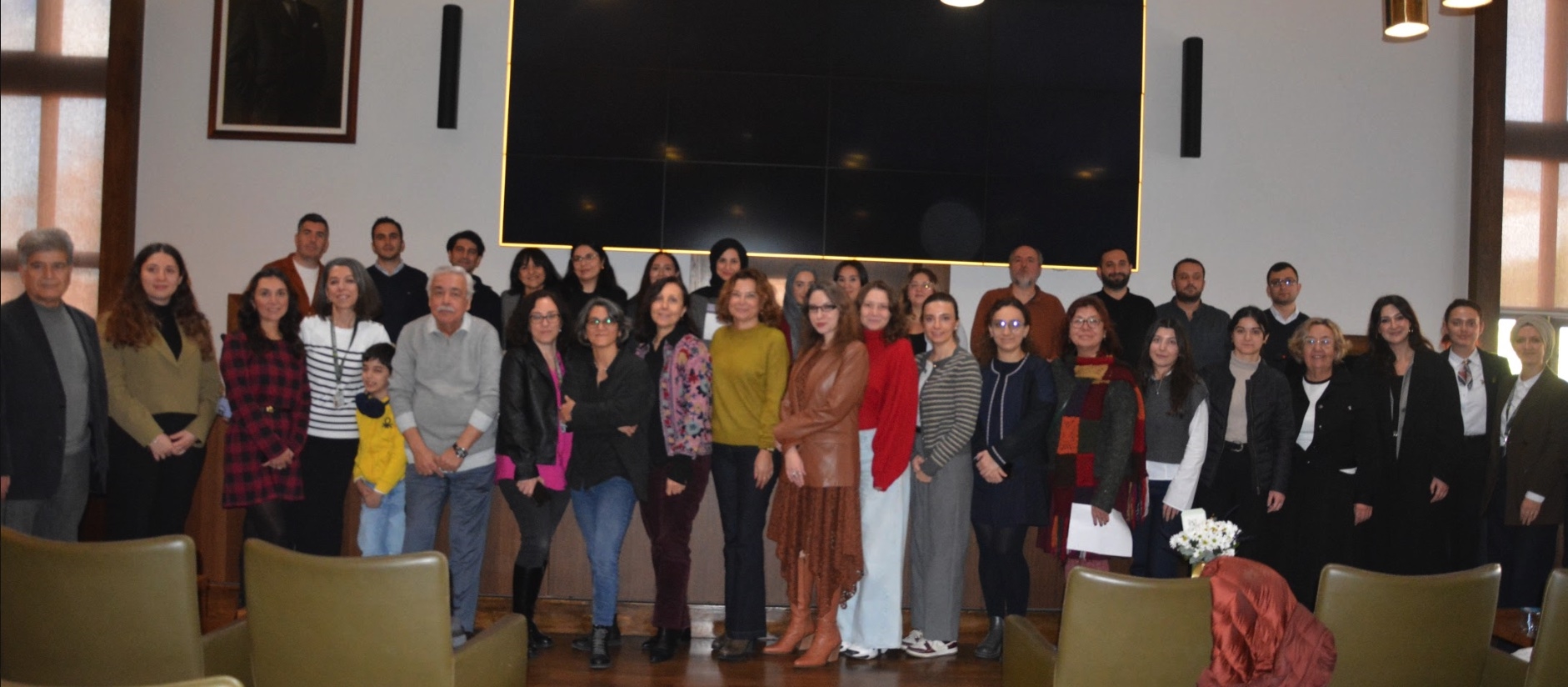
During the forum, discussions emphasized the importance of opening graduate research in Translation Studies to broader academic interaction. It was noted that creating space for the exchange of ideas among graduate researchers and gaining insight into the progress of ongoing graduate work are essential to determining the field's future trajectory. Attention was also drawn to the predominantly Istanbul-based participation since the colloquium's inception, and a call was made for broader participation in future events. The event, which attracted significant interest from graduate researchers and academics, concluded with the closing remarks of Assoc. Prof. Yeşim Tükel Kanra.
No notices found matching your search